
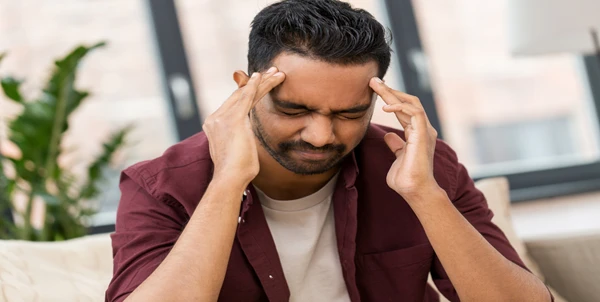
What is migraine?
Migraine is a neurological condition that can cause multiple symptoms. It’s frequently characterized by intense, debilitating headaches. Symptoms may include nausea, vomiting, difficulty speaking, numbness or tingling, and sensitivity to light and sound. Migraines often run in families and affect all ages.
The diagnosis of migraine headaches is determined based on clinical history, reported symptoms, and by ruling out other causes. The most common categories of migraine headache are those without aura (previously known as common migraines) and those with aura (previously known as classic migraines).
Migraines can begin in childhood or may not occur until early adulthood. Women are more likely than men to have migraines. Family history is one of the most common risk factors for having migraines.
Migraines are different from other headaches. Find out about different types of headaches and how to tell if your headaches might be migraines.
Migraine symptoms
Migraine symptoms may begin one to two days before the headache itself. This is known as the prodrome stage. Symptoms during this stage can include:
- food cravings
- depression
- fatigue or low energy
- frequent yawning
- hyperactivity
- irritability
- neck stiffness
In migraine with aura, the aura occurs after the prodrome stage. During an aura, you may have problems with your vision, sensation, movement, and speech. Examples of these problems include:
- difficulty speaking clearly
- feeling a prickling or tingling sensation in your face, arms, or legs
- seeing shapes, light flashes, or bright spots
- temporarily losing your vision
The next phase is known as the attack phase. This is the most acute or severe of the phases when the actual migraine pain occurs. In some people, this can overlap or occur during an aura. Attack phase symptoms can last anywhere from hours to days. Symptoms of a migraine can vary from person to person. Some symptoms may include:
- increased sensitivity to light and sound
- nausea
- dizziness or feeling faint
- pain on one side of your head, either on the left side, right side, front, or back, or in your temples
- pulsing and throbbing head pain
- vomiting
After the attack phase, a person will often experience the postdrome phase. During this phase, there are usually changes in mood and feelings. These can range from feeling euphoric and extremely happy, to feeling very fatigued and apathetic. A mild, dull headache may persist.
The length and intensity of these phases can occur to different degrees in different people. Sometimes, a phase is skipped and it’s possible that a migraine attack occurs without causing a headache. Learn more about the migraine symptoms and stages.
Migraine pain
People describe migraine pain as:
- pulsating
- throbbing
- perforating
- pounding
- debilitating
It can also feel like a severe dull, steady ache. The pain may start out as mild, but without treatment will become moderate to severe.
Migraine pain most commonly affects the forehead area. It’s usually on one side of the head, but it can occur on both sides, or shift.
Most migraines last about 4 hours. If they’re not treated or don’t respond to treatment, they can last for as long as 72 hours to a week. In migraines with aura, pain may overlap with an aura or may never occur at all.
Migraine nausea
More than half of the people who get migraines have nausea as a symptom. Most also vomit. These symptoms may start at the same time the headache does. Usually, though, they start about one hour after the headache pain starts.
Nausea and vomiting can be as troubling as the headache itself. If you only have nausea, you may be able to take your usual migraine medications. Vomiting, though, can prevent you from being able to take pills or keep them in your body long enough to be absorbed. If you have to delay taking migraine medication, your migraine is likely to become more severe.
Treating nausea and preventing vomiting
If you have nausea without vomiting, your doctor may suggest medication to ease nausea called anti-nausea or antiemetic drugs. In this case, the antiemetic can help prevent vomiting and improve the nausea.
Acupressure may also be helpful in treating migraine nausea. A 2012 study showed that acupressure reduced the intensity of migraine-associated nausea starting as soon as 30 minutes, gaining improvement over 4 hours.
Treating nausea and vomiting together
Rather than treating the nausea and vomiting separately, doctors prefer to ease those symptoms by treating the migraine itself. If your migraines come with significant nausea and vomiting, you and your doctor may talk about starting preventive (prophylactic) medications. See how to cope with the nausea and vertigo that may accompany your migraine.
Migraine tests
Doctors diagnose migraines by listening to your symptoms, taking a thorough medical and family history, and performing a physical exam to rule out other potential causes. Imaging scans, such as a CT scan or MRI, can rule out other causes, including:
- tumors
- abnormal brain structures
- stroke
Migraine treatment
Migraines can’t be cured, but your doctor can help you manage them so you get them less often and treat symptoms when they occur. Treatment can also help make the migraines you have less severe.
Your treatment plan depends on:
- your age
- how often you have migraines
- the type of migraine you have
- how severe they are, based on how long they last, how much pain you have, and how often they keep you from going to school or work
- whether they include nausea or vomiting, as well as other symptoms
- other health conditions you may have and other medications you may take
Your treatment plan may include a combination of these:
- self-care migraine remedies
- lifestyle adjustments, including stress management and avoiding migraine triggers
- OTC pain or migraine medications, such as NSAIDs or acetaminophen (Tylenol)
- prescription migraine medications that you take every day to help prevent migraines and reduce how often you have headaches
- prescription migraine medications that you take as soon as a headache starts, to keep it from becoming severe and to ease symptoms
- prescription medications to help with nausea or vomiting
- hormone therapy if migraines seem to occur in relation to your menstrual cycle
- counseling
- alternative care, which may include biofeedback, meditation, acupressure, or acupuncture
Migraine remedies
You can try a few things at home that may also help remedy the pain from your migraines:
- Lie down in a quiet, dark room.
- Massage your scalp or temples.
- Place a cold cloth over your forehead or behind your neck.
Many people also try herbal home remedies to relieve their migraines.
Migraine medication
Medications can be used to either prevent a migraine from happening or treat it once it occurs. You may be able to get relief with OTC medication. However, if OTC medications aren’t effective, your doctor may decide to prescribe other medications.
These options will be based on the severity of your migraines and any of your other health conditions. Medication options include both those for prevention and those for treatment during an attack.
Medication overuse headache
The frequent and recurring use of any kind of headache drugs can cause what’s known as medication overuse headache (previously called a rebound headache). Persons with migraine are at higher risk of developing this complication.
When determining how to deal with your migraine headaches, talk to your doctor about the frequency of your medication intake and alternatives to medications. Learn more about medication overuse headaches.
Migraine surgery
There are a couple of surgical procedures that are used to treat migraine. However, they haven’t been approved by the U.S. Food and Drug Administration (FDA). The procedures include neurostimulation procedures and migraine trigger site decompression surgery (MTSDS).
The American Migraine Foundation encourages anyone considering migraine surgery to see a headache specialist. A headache specialist has completed an accredited headache medicine fellowship or is board certified in headache medicine.
Neurostimulation surgeries
During these procedures, a surgeon inserts electrodes under your skin. The electrodes deliver electrical stimulation to specific nerves. Several types of stimulators are currently being used. These include:
- occipital nerve stimulators
- deep brain stimulators
- vagal nerve stimulators
- sphenopalatine ganglion stimulators
Insurance coverage for stimulators is rare. Research is ongoing as to the ideal role of nerve stimulation in the treatment of headaches.
MTSDS
This surgical procedure involves releasing nerves around the head and face that may have a role as trigger sites for chronic migraines. Onabotulinumtoxin A (Botox) injections are typically used to identify the trigger point nerves involved during a migraine attack. Under sedation, the surgeon deactivates or decompresses the isolated nerves. Plastic surgeons usually perform these surgeries.
The American Headache Society doesn’t endorse treatment of migraine with MTSDS. They recommend that anyone considering this procedure have an evaluation by a headache specialist to learn the risks first.
These surgeries are considered experimental until further studies show they work consistently and safely. They may however have a role for people with chronic migraines that haven’t responded to other treatment. So, is plastic surgery the answer to your migraine woes?
What causes migraines?
Researchers haven’t identified a definitive cause for migraines. However, they have found some contributing factors that can trigger the condition. This includes changes in brain chemicals, such as a decrease in levels of the brain chemical serotonin.
Other factors that may trigger a migraine include:
- bright lights
- severe heat, or other extremes in weather
- dehydration
- changes in barometric pressure
- hormone changes in women, such as estrogen and progesterone fluctuations during menstruation, pregnancy, or menopause
- excess stress
- loud sounds
- intense physical activity
- skipping meals
- changes in sleep patterns
- use of certain medications, such as oral contraceptives or nitroglycerin
- unusual smells
- certain foods
- smoking
- alcohol use
- traveling
If you experience a migraine, your doctor may ask you to keep a headache journal. Writing down what you were doing, what foods you ate, and what medications you were taking before your migraine began can help identify your triggers. Find out what else might be causing or triggering your migraines.
Foods that trigger migraines
Certain foods or food ingredients may be more likely to trigger migraines than others. These may include:
- alcohol or caffeinated drinks
- food additives, such as nitrates (a preservative in cured meats), aspartame (an artificial sugar), or monosodium glutamate (MSG)
- tyramine, which occurs naturally in some foods
Tyramine also increases when foods are fermented or aged. This includes foods like some aged cheeses, sauerkraut, and soy sauce. However, ongoing research is looking more closely at the role of tyramine in migraines. It may be a headache protector in some people rather than a trigger. Check out these other foods that trigger migraines.
Migraine types
There are many types of migraines. Two of the most common types are migraine without aura and migraine with aura. Some people have both types.
Many individuals with migraines have more than one type of migraine.
Migraine without aura
This type of migraine used to be called common migraine. Most people with migraine don’t experience an aura.
According to the International Headache Society, people who have migraine without aura have had at least five attacks that have these characteristics:
- Headache attack usually lasting 4 to 72 hours if it’s not treated or if treatment doesn’t work.
- Headache has at least two of these traits:
- it occurs only on one side of the head (unilateral)
- pain is pulsating or throbbing
- pain level is moderate or severe
- pain gets worse when you move, like when walking or climbing stairs
- Headache has at least one of these traits:
- it makes you sensitive to light (photophobia)
- it makes you sensitive to sound (phonophobia)
- you experience nausea with or without vomiting or diarrhea
- Headache isn’t caused by another health problem or diagnosis.
Migraine with aura
This type of migraine used to be called classic migraine, complicated migraine, and hemiplegic migraine. Migraine with aura occurs in 25 percent of people who have migraines.
According to the International Headache Society, you must have at least two attacks that have these characteristics:
- An aura that goes away, is completely reversible, and includes at least one of these symptoms:
- visual problems (the most common aura symptom)
- sensory problems of the body, face, or tongue, such as numbness, tingling, or dizziness
- speech or language problems
- problems moving or weakness, which may last up to 72 hours
- brainstem symptoms, which includes:
- difficulty talking or dysarthria (unclear speech)
- vertigo (a spinning feeling)
- tinnitus or ringing in the ears
- hypacusis (problems hearing)
- diplopia (double vision)
- ataxia or an inability to control body movements
- decreased consciousness
- eye problems in only one eye, including flashes of light, blind spots, or temporary blindness (when these symptoms occur they’re called retinal migraines)
- An aura that has at least two of these traits:
- at least one symptom spread gradually over five or more minutes
- each symptom of the aura lasts between five minutes and one hour (if you have three symptoms, they may last up to three hours)
- at least one symptom of the aura is only on one side of the head, including vision, speech, or language problems
- aura occurs with the headache or one hour before the headache begins
- Headache isn’t caused from another health problem and transient ischemic attack has been excluded as a cause.
An aura usually occurs before the headache pain begins, but it can continue once the headache starts. Alternatively, an aura may start at the same time as the headache does. Learn more about these two types of migraine.
Chronic migraines
Chronic migraine used to be called combination or mixed headache because it can have features of migraine and tension headaches. It’s also sometimes called severe migraine and can be caused by medication overuse.
People who have chronic migraines have a severe tension or migraine headache more than 15 days a month for 3 or more months. More than eight of those headaches are migraines with or without aura. Check out more differences between migraine and chronic migraines.
Compared to people who have acute migraines, people with chronic migraines are more likely to have:
- severe headaches
- more disability at home and away from home
- depression
- another type of chronic pain, like arthritis
- other serious health problems (comorbidities), such as high blood pressure
- previous head or neck injuries
Learn how to get relief from chronic migraines.
Acute migraine
Acute migraine is a general term for migraines that aren’t diagnosed as chronic. Another name for this type is episodic migraine. People who have episodic migraines have headaches up to 14 days a month. Thus, people with episodic migraines have fewer headaches a month than people with chronic ones.
Vestibular migraine
Vestibular migraine is also known as migraine-associated vertigo. About 40 percent of people who have migraines have some vestibular symptoms. These symptoms affect balance, cause dizziness, or both. People of any age, including children, may have vestibular migraines.
Neurologists typically treat people who have difficulty managing their migraines, including vestibular migraines. Medications for this type of migraine are similar to ones used for other types of migraine. Vestibular migraines are also sensitive to foods that trigger migraines. So you may be able to prevent or ease vertigo and the other symptoms by making changes to your diet.
Your doctor may also suggest you see a vestibular rehabilitation therapist. They can teach you exercises to help you stay balanced when your symptoms are at their worst. Because these migraines can be so debilitating, you and your doctor may talk about taking preventive medications. Keep reading about vestibular migraine.
Optical migraine
Optical migraine is also known as eye migraine, ocular migraine, ophthalmic migraine, monocular migraine, and retinal migraine. This is a rarer type of migraine with aura, but unlike other visual auras, it affects only one eye.
The International Headache Society defines retinal migraines as attacks of fully reversible and temporary vision problems in only one eye. The symptoms may include:
- flashes of light, called scintillations
- a blind spot or partial loss of vision, called scotomata
- loss of vision in one eye
These vision problems usually occur within an hour of the headache. Sometimes optical migraines are painless. Most people who have an optical migraine have had another type of migraine before.
Exercise may bring on the attack. These headaches aren’t caused from an eye problem, such as glaucoma. Find out more about the causes of this type of migraine.
Complex migraine
Complex migraine isn’t a type of headache. Instead, complex or complicated migraine is a general way to describe migraines, though it’s not a very clinically accurate way to describe them. Some people use “complex migraine” to mean migraines with auras that have symptoms that are similar to symptoms of a stroke. These symptoms include:
- weakness
- trouble speaking
- loss of vision
Seeing a board-certified headache specialist will help ensure that you get a precise, accurate diagnosis of your headaches.
Menstrual migraine
Menstrual-related migraines affect up to 60 percent of women who experience any type of migraine. They can occur with or without an aura. They can also occur before, during, or after menstruation and during ovulation.
Research has shown that menstrual migraines tend to be more intense, last longer, and have more significant nausea than migraines not associated with the menstrual cycle.
In addition to standard treatments for migraines, women with menstrual-related migraines may also benefit from medications that affect serotonin levels as well as hormonal treatments.
Acephalgic migraine or migraine without headache
Acephalgic migraine is also known as migraine without headache, aura without headache, silent migraine, and visual migraine without headache. Acephalgic migraines occur when a person has an aura, but doesn’t get a headache. This type of migraine isn’t uncommon in people who start having migraines after age 40.
Visual aura symptoms are most common. With this type of migraine, the aura may gradually occur with symptoms spreading over several minutes and move from one symptom to another. After visual symptoms, people may have numbness, speech problems, and then feel weak and unable to move a part of their body normally. Read on to get a better understanding of acephalgic or silent migraines.
Hormonal migraines
Also known as menstrual migraines and exogenous estrogen withdrawal headaches, hormonal migraines are linked with the female hormones, commonly estrogen. They include migraines during:
- your period
- ovulation
- pregnancy
- perimenopause
- the first few days after you start or stop taking medications that have estrogen in them, such as birth control pills or hormone therapy
If you’re using hormone therapy and have an increase in headaches, your doctor may talk with you about:
- adjusting your dose
- changing the type of hormones
- stopping hormone therapy
Stress migraine
Stress migraine isn’t a type of migraine recognized by the International Headache Society. However, stress can be a migraine trigger.
There are stress headaches. These are also called tension-type headaches or ordinary headaches. If you think stress may be triggering your migraines, consider yoga for relief.
Cluster migraine
Cluster migraine isn’t a migraine type defined by the International Headache Society. However, there are cluster headaches. These headaches cause extreme pain around and behind the eye, often with:
- tearing on one side
- nasal congestion
- flushing
They can be brought on by alcohol or excessive smoking. You may have cluster headaches as well as migraines.
Vascular migraine
Vascular migraine isn’t a migraine type defined by The International Headache Society. Vascular headache is a term that some people may use to describe a throbbing headache and pulsation caused by a migraine.
Migraines in children
Children can have many of the same types of migraines as adults. Children and teens, like adults, can also experience depression and anxiety disorders along with their migraines.
Until they’re older teens, children may be more likely to have symptoms on both sides of the head. It’s rare for children to have headache pain in the back of the head. Their migraines tend to last 2 to 72 hours.
A few migraine variants are more common in children. These include abdominal migraine, benign paroxysmal vertigo, and cyclic vomiting.
Abdominal migraine
Children with abdominal migraine may have a stomachache instead of a headache. The pain can be moderate or severe. Usually pain is in the middle of the stomach, around the belly button. However, the pain may not be in this specific area. The belly may just feel “sore.”
Your child may also have a headache. Other symptoms can include:
- lack of appetite
- nausea with or without vomiting
- sensitivity to light or sound
Children who have abdominal migraine are likely to develop more typical migraine symptoms as adults.
Benign paroxysmal vertigo
Benign paroxysmal vertigo can occur in toddlers or young children. It occurs when your child suddenly becomes unsteady and refuses to walk, or walks with their feet spread wide, so they’re wobbly. They may vomit. They may also experience a headache.
Another symptom is rapid eye movements (nystagmus). The attack lasts from a few minutes to hours. Sleep often ends the symptoms.
Cyclic vomiting
Cyclic vomiting often occurs in school-age kids. Forceful vomiting may occur four to five times an hour for at least one hour. Your child may also have:
- stomach pain
- headache
- sensitivity to light or sound
The symptoms may last for 1 hour or up to 10 days.
In between vomiting, your child may act and feel completely normal. Attacks can occur a week or more apart. The symptoms may develop a pattern of occurrence that become recognizable and predictable.
The symptoms of cyclic vomiting may be more noticeable than other migraine symptoms that children and teens experience.
Migraines and pregnancy
For many women, their migraines improve during pregnancy. However, they may become worse following delivery due to sudden hormonal shifts. Headaches during pregnancy need special attention to make sure that the cause of the headache is understood.
Research is ongoing, but a recent small study showed that women with migraine during pregnancy experienced a higher rate of having:
- preterm or early delivery
- preeclampsia
- a baby born with low birth weight
Certain migraine medications may not be considered safe during pregnancy. This can include aspirin. If you have migraines during pregnancy, work with your doctor to find ways to treat your migraine that won’t harm your developing baby.
Migraine vs tension headache
Migraine and tension headache, the most common type of headache, share some similar symptoms. However, migraine is also associated with many symptoms not shared by tension headaches. Migraines and tension headaches also respond differently to the same treatments.
Both tension headaches and migraines can have:
- mild to moderate pain
- a steady ache
- pain on both sides of the head
Only migraines can have these symptoms:
- moderate to severe pain
- pounding or throbbing
- an inability to do your usual activities
- pain on one side of the head
- nausea with or without vomiting
- an aura
- sensitivity to light, sound, or both
Learn more differences between migraines and headaches.
Migraine prevention
You may want to take these actions to help prevent a migraine:
- Learn what triggers your migraines and avoid those things.
- Stay hydrated. Per day, Men should drink about 13 cups of fluids and women should drink 9 cups.
- Avoid skipping meals.
- Get quality sleep. A good night’s sleep is important for overall health.
- Quit smoking.
- Make it a priority to reduce stress in your life and learn to cope with it in helpful ways.
- Learn relaxation skills.
- Exercise regularly. Exercise may help you not only reduce stress but also lose weight. Experts believe obesity is linked to migraines. Be sure to start exercising slowly to warm up gradually. Starting too fast and intensely can trigger a migraine.
Talk to your doctor
Sometimes the symptoms of a migraine headache can mimic those of a stroke. It’s important to seek immediate medical attention if you or a loved one has a headache that:
- causes slurred speech or drooping on one side of the face
- causes new leg or arm weakness
- comes on very suddenly and severely with no lead-in symptoms or warning
- occurs with a fever, neck stiffness, confusion, seizure, double vision, weakness, numbness, or difficulty speaking
- has an aura where the symptoms last longer than an hour
- would be called the worst headache ever
- is accompanied by loss of consciousness
Make an appointment to see your doctor if your headaches start to affect your daily life. Tell them if you experience pain around your eyes or ears, or if you have multiple headaches a month that last for several hours or days.
Migraine headaches can be severe, debilitating, and uncomfortable. Many treatment options are available, so be patient finding the one or combination that’s best for you. Keep track of your headaches and symptoms in order to identify migraine triggers. Knowing how to prevent migraines can often be the first step in managing them.
The above article is courtesy of My EZ Health Guide and is intended for informational purposes only.
Article Resources
- Allais G, et al. (2012). Acupressure in the control of migraine-associated nausea. DOI:
1007/s10072--y - Bajwa ZH, et al. (2017). Acute treatment of migraine in adults.
com/contents/acute-treatment-of-migraine-in-adults?source=search_result&search=migraine%20nausea&selectedTitle=1~150 - Bishop S. (2011). Complex migraine.
mayoclinic.org/discussion/complex-migraine/ - Calhoun AH. (2017). Estrogen-associated migraine.
com/contents/estrogen-associated-migraine?source=see_link§ionName=MENSTRUAL%20MIGRAINE&anchor=H4#H4 - Chen Y-F, et al. (2015). Occipital nerve stimulation for chronic migraine – a systematic review and meta-analysis. DOI:
org/10.1371/journal.pone.0116786 - Cheung V, et al. (2014). Medication overuse headache.
springer.com/article/10.1007/s11910--x - The complete headache chart. (2008).
org/2008/12/11/the-complete-headache-chart/ - Conditions we treat: Vestibular migraine. (n.d.).
org/neurology_neurosurgery/centers_clinics/vestibular/conditions/vestibular_migraine.html - Curelator presents misconceptions on migraine triggers. (2017).
org/2017/07/10/curelator-presents-misconceptions-migraine-triggers/ - Doyle E, et al. (2003). Retinal migraine: Caught in the act. DOI:
doi.org/10.1136/bjo.2003.021808 - Escher CM, et al. (2017). Botulinum toxin in the management of chronic migraine: Clinical evidence and experience. DOI:
org/10.1177/1756285616677005 - Grossman TB, et al. (2017). Delivery outcomes of patients with acute migraine in pregnancy: A retrospective study. DOI:
1111/head.13023 - Headache Classification Committee of the International Headache Society (IHS). (2013). The international classification of headache disorders, 3rd edition (beta version).
ihs-headache.org/binary_data/1437_ichd-iii-beta-cephalalgia-issue-9-2013.pdf - Holland S, et al. (2012). Evidence-based guideline update: NSAIDs and other complementary treatments for episodic migraine prevention in adults.
org/wp-content/uploads/assets/WNL203655.pdf - International Headache Society. (n.d.). IHS classification ICHD-3 beta: Migraine.
ichd-3.org/1-migraine/1-1-migraine-without-aura/ - Katsarava Z, et al. (2012). Defining the differences between episodic migraine and chronic migraine. DOI:
1007/s11916--z - Katsarava Z, et al. (2013). Medication-overuse headache. DOI:
1097/WCO.0b013e328360d596 - Kramer J. (n.d.). Vestibular migraine (a.k.a. migraine associated vertigo or MAV).
org/migraine-associated-vertigo-mav - Lainez MJA, et al. (2013). Optimal management of severe nausea and vomiting in migraine: Improving patient outcomes. DOI:
org/10.2147/PROM.S31392 - Lateef TM, et al. (2015). Accuracy of family history reports of migraine in a community‐based family study of migraine. DOI:
1111/head.12501 - Menstrual migraine (2007).
org/2007/10/25/menstrual-migraine/ - (2017).
womenshealth.gov/publications/our-publications/fact-sheet/migraine.html - Migraine facts. (n.d.).
org/about-migraine/migraine-facts/ - Migraine variants in children. (2016).
org/understanding-migraine/migraine-variants-in-children/ - O’Brien H. (2017). Classification of migraine in children.
com/contents/classification-of-migraine-in-children?source=search_result&search=migraine%20in%20children&selectedTitle=2~150 - Park J-W, et al. (2016). Analysis of trigger factors in episodic migraineurs using a smartphone headache diary applications. DOI:
org/10.1371/journal.pone.0149577 - Schwedt TJ, et al. (2015). Neurostimulation for treatment of migraine and cluster headache. DOI:
org/10.1111/pme.12792 - Silberstein SD, et al. (2012). Evidence-based guidelines update: Pharmacologic treatment for episodic migraine prevention in adults. DOI:
org/10.1212/WNL.0b013e3182535d20 - Silberstein SD, et al. (2016). Migraine.
com/professional/neurologic-disorders/headache/migraine - Starling A, et al. (2015). Identifying and treating migraine.
org/understanding-migraine/identifying-treating-migraine/ - Vascular headaches. (2007).
org/2007/10/25/vascular-headaches/ - Ward TN, et al. (n.d.). Surgical treatment of headache.
org/wp-content/uploads/2016/07/Thomas_Ward_and_Deborah_Friedman_-_Surgical_Treatment.pdf - Witteveen H, et al. (2017). Treatment of menstrual migraine; Multidisciplinary or mono-disciplinary approach. DOI:
org/10.1186/s10194--z

Leave a Reply